Source 360 degree manual rotary stapler for Office, School, Home
Find and compare 30 listings for the 360 degree manual rotary stapler, featuring metal construction and various staple capacities. Evaluate options from Zhejiang suppliers to find the right tool for office, school, or home use.
Key considerations
Products List
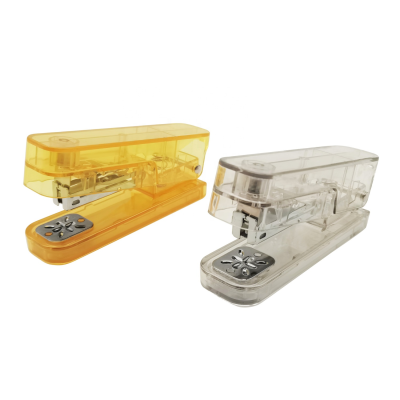
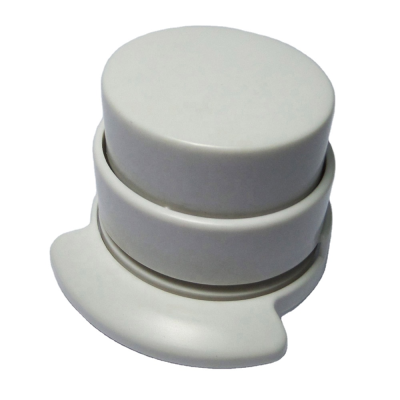
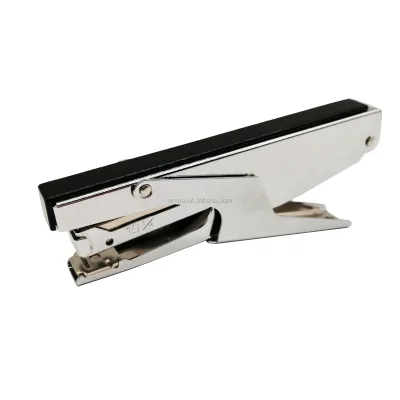
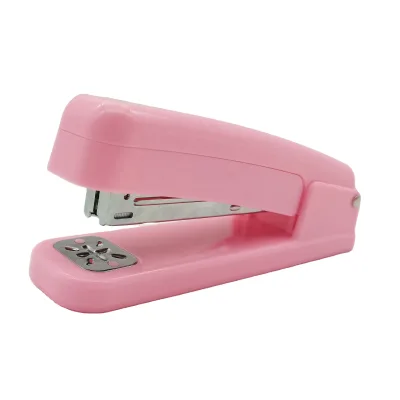


Comprehensive Sourcing Guide
360 Degree Manual Rotary Stapler Sourcing Guide
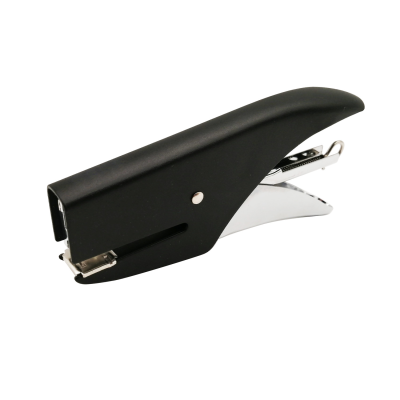
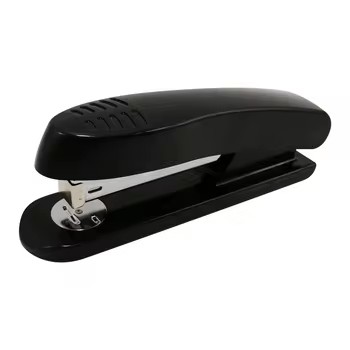
Sourcing manual staplers requires a clear understanding of the distinction between standard office fastening tools and specialized industrial or heavy-duty variants. While the core keyword suggests a rotary mechanism, the available market data indicates a diverse range of manual stapling solutions, from basic office models to high-capacity locking pliers and construction-grade fasteners. Buyers must carefully distinguish between these categories to ensure the selected tool meets the specific mechanical and operational demands of their workflow. The term "rotary" may imply a specific ergonomic design or a mechanism for staple ejection, but in many observed listings, the primary focus is on manual operation, throat depth, and staple capacity rather than a literal 360-degree rotating head. Therefore, verification of the actual mechanical action is critical before placing orders.
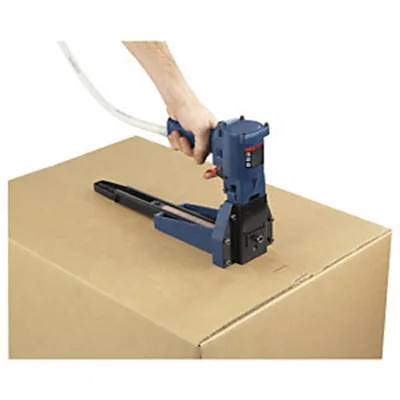
The procurement landscape for these tools is characterized by a wide variance in specifications, materials, and intended use cases. Observed product attributes range from lightweight, plastic-accented office staplers to heavy-duty units constructed from high carbon steel, weighing up to 2.66kg. This disparity highlights the importance of defining the end-use environment early in the sourcing process. Whether the requirement is for daily document binding in an office setting or for securing building decorations and carton closing, the technical specifications must align with the physical stresses the tool will endure. Misalignment between the tool’s design and its application can lead to premature failure, user fatigue, or inefficient workflow, making precise specification matching a non-negotiable step in the sourcing strategy.
Product Scope and Observed Listing Signals
The observed product listings reveal a broad spectrum of manual stapling devices, with key attributes indicating variations in color, material, and structural design. Common colors observed include yellow, pink, and blue, suggesting that aesthetic customization may be available for certain models, particularly those intended for office or school environments. The materials range from general metal constructions to high carbon steel, which is typically associated with durability and resistance to wear in high-frequency usage scenarios. Structural types identified include box joint designs and locking pliers, which may indicate that some "staplers" in the listing are actually multi-purpose hand tools capable of stapling, crimping, or twisting operations. Buyers should scrutinize these structural details to ensure the tool’s mechanical advantage matches the required force for the intended staples.
Capacity and dimensional specifications vary significantly across the observed data, reflecting different use cases. Sheet capacities range from standard 16-sheet limits for office use to higher capacities for bulkier materials, while staple capacities for the tool itself can hold up to 50 or even 156 pieces depending on the model. Dimensions also differ, with some compact models measuring around 16x1.7x6.7cm, while larger, more robust units can reach dimensions of 360x105x267mm. These physical differences directly impact portability and storage requirements. Additionally, the presence of specific staple crown widths, thicknesses, and lengths (such as 0.75mm width and 4-8mm length) indicates that compatibility with specific staple types is a critical factor. Buyers must verify that the selected stapler’s throat depth and internal mechanism are compatible with the staple sizes they plan to use in their operations.
Technical Specifications to Verify
When evaluating technical specifications, the throat depth and staple size compatibility are paramount for ensuring the tool can handle the required material thickness. The observed data highlights a throat depth of 60mm, which is a standard metric for determining how far into a stack of paper or material the stapler can reach. However, buyers must also verify the specific staple size, such as No. 10 or other proprietary formats, as mismatched staples can cause jamming or incomplete fastening. The model numbers, such as 308010 or R23, serve as unique identifiers for these technical configurations. It is essential to cross-reference these model numbers with the manufacturer’s technical sheets to confirm the exact staple type and size range, ensuring that the tool’s internal driver and anvil are correctly aligned with the chosen fasteners.
Material composition and weight are critical indicators of the tool’s durability and user ergonomics. High carbon steel construction is often preferred for heavy-duty applications due to its strength and resistance to deformation under pressure. In contrast, lighter models weighing around 280g may be more suitable for high-volume, repetitive office tasks where user fatigue is a concern. The observed weight range, from 0.5kg to 2.66kg, suggests a significant difference in build quality and intended load. Buyers should assess the trade-off between durability and ergonomics based on their specific use case. Additionally, the single package size and gross weight are important for logistics planning, as larger, heavier tools may incur higher shipping costs and require more robust packaging to prevent damage during transit.
Compliance and Safety Documentation
Safety and compliance documentation for manual staplers primarily focus on mechanical safety and material safety standards. While specific certification statuses like ISO 27001:2022 were noted in the background data, this standard relates to information security management and is generally irrelevant to physical hardware procurement. Buyers should instead prioritize verifying compliance with relevant mechanical safety standards, such as those governing sharp edge protection, pinch point safety, and material toxicity. For tools used in office or school environments, compliance with consumer product safety regulations is essential to ensure that the stapler does not pose a risk of injury during normal operation. Buyers should request test reports or compliance certificates from suppliers that specifically address these mechanical and material safety aspects.
Documentation should also include clear instructions for safe operation and maintenance. Given the variety of manual stapling tools, from basic office models to heavy-duty locking pliers, the user manual should provide detailed guidance on proper loading, ejection, and jam-clearing procedures. This is particularly important for tools with complex mechanisms, such as box joint structures or locking features. Buyers should ensure that the supplier provides documentation in the target market’s language and that it includes warnings about potential hazards, such as staple ejection risks or pinch points. Additionally, any claims regarding the tool’s performance, such as twisting or crimping capabilities, should be supported by technical data or user manuals to prevent misuse and ensure optimal performance.
Cost Drivers and Commercial Terms
The cost of manual staplers is influenced by several key factors, including material quality, manufacturing complexity, and order volume. High carbon steel models and those with specialized features, such as locking mechanisms or high staple capacities, typically command higher prices due to the increased material and production costs. The observed price range of $0.1 to $3443 USD reflects this variance, with basic office staplers at the lower end and heavy-duty, specialized tools at the higher end. Buyers should align their budget with the required performance level, avoiding the temptation to choose the cheapest option if it compromises durability or safety. Understanding the cost drivers helps in negotiating better terms and selecting the most cost-effective solution for the specific application.
Commercial terms, including minimum order quantity (MOQ) and packaging, play a significant role in the total cost of ownership. The observed MOQ range of 1 to 30,000 units allows for flexibility, catering to both small-scale buyers and large distributors. Packaging details, such as 10 pieces per carton, impact shipping efficiency and storage requirements. Buyers should consider the total landed cost, including shipping, duties, and handling, when evaluating quotes. Additionally, customization options, which are noted as available for some models, may incur additional costs but can provide branding opportunities or specific functional adjustments. Negotiating favorable commercial terms, such as volume discounts or flexible MOQs, can significantly reduce the overall procurement cost.
Supplier Qualification and Quality Control
Supplier qualification is a critical step in ensuring the reliability and consistency of the sourced manual staplers. Buyers should verify the supplier’s manufacturing capabilities, quality control processes, and track record in producing similar tools. Given the observed origin in Zhejiang, China, a region known for its manufacturing prowess, buyers should still conduct thorough due diligence to ensure the supplier adheres to international quality standards. Requesting samples for evaluation is a best practice to assess the build quality, mechanical performance, and finish of the staplers. This hands-on inspection allows buyers to verify claims regarding material strength, staple capacity, and ergonomic design before committing to a larger order.
Quality control measures should include regular inspections during production and pre-shipment checks. Buyers should establish clear acceptance criteria based on the technical specifications and safety requirements discussed earlier. This may include visual inspections for defects, functional tests for staple ejection and jamming, and dimensional checks to ensure consistency. For high-volume orders, implementing a third-party inspection service can provide an additional layer of assurance. Additionally, suppliers should be required to provide a warranty or guarantee against manufacturing defects, ensuring that any issues discovered post-delivery can be addressed promptly. Establishing a strong relationship with a qualified supplier based on transparent communication and rigorous quality standards is essential for long-term procurement success.
Long-Term Procurement Checks
Long-term procurement success depends on continuous monitoring of supplier performance and product quality. Buyers should establish key performance indicators (KPIs) to track metrics such as on-time delivery, defect rates, and responsiveness to issues. Regular reviews of these metrics help identify potential problems early and allow for corrective actions to be taken. Additionally, staying informed about changes in the supplier’s manufacturing processes or material sources is important, as these changes can impact product quality and compliance. Maintaining open communication with the supplier and providing feedback on product performance can foster a collaborative relationship that benefits both parties.
As market trends and user needs evolve, buyers should periodically reassess their stapler requirements to ensure they remain aligned with operational goals. This may involve evaluating new technologies, materials, or designs that could offer improved performance or cost savings. For example, the introduction of ergonomic improvements or more durable materials could justify a switch to a different model or supplier. Additionally, buyers should monitor regulatory changes in their target markets to ensure continued compliance with safety and environmental standards. By maintaining a proactive approach to procurement, buyers can ensure that their manual stapler sourcing strategy remains effective, efficient, and aligned with their long-term business objectives.
FAQs
What is the sheet capacity of this stapler?
This stapler can bind up to 16 sheets of paper at once. It is designed for office, school, and home use with a manual power source and a throat depth of 60mm for standard operations.
Which staple size does this model use?
The device accepts No. 10 staples with a crown width of 10.6mm. It is compatible with 18mm carton closing staples and can hold a capacity of 50 pieces in the magazine.
Can I customize the color of this stapler?
Yes, customization is available for this product. The standard colors observed include yellow, pink, and blue, allowing buyers to select options that match their branding or office aesthetic requirements.
What material is the stapler constructed from?
The stapler is made from high carbon steel and metal components. This durable construction ensures longevity and supports the crimping function required for heavy-duty binding tasks in various settings.
How much does the single package weigh?
The single gross weight of the package is 1.000 kg. The net weight of the tool itself is 0.5kg, while the individual item weighs 280g, making it portable for daily use.
What are the dimensions of the stapler?
The product dimensions are 16x1.7x6.7cm for the tool itself. The single package size is larger at 25x15x15 cm, and the carton packing contains 10 pieces per carton for bulk shipping.
Where is this stapler manufactured?
The place of origin is Zhejiang, China. This location is a known hub for manufacturing office supplies, ensuring that the product meets standard industrial requirements for export and domestic distribution.